
 By Nick John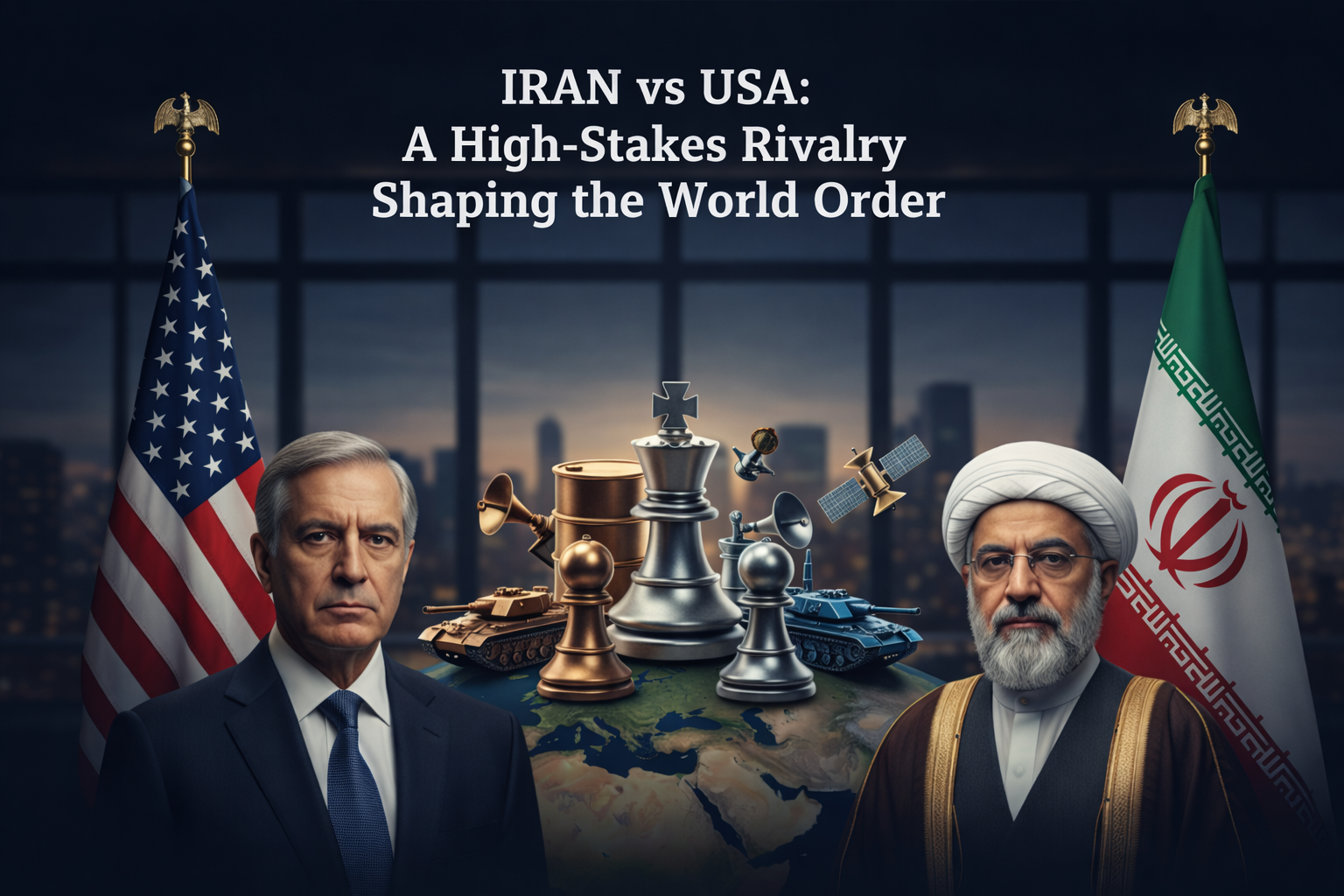
The rivalry between Iran and the United States is one of the most complicated and important ones in modern geopolitics. There isn’t just one war or treaty that defines it. Instead, it’s decades of distrust, differences in ideology, power struggles in the region, economic sanctions, and indirect confrontations.
The current situation between Iran and the US goes beyond just tensions between the two countries. It has an impact on the oil markets around the world, the stability of the Middle East, international nuclear policy, and even the daily economic conditions in many countries. Headlines often talk about military threats or diplomatic talks, but the truth is much more complex, historical, and always changing.
This article breaks down the current situation between Iran and the US in a way that is easy to read and understand, with paragraphs. The goal is still to explain what’s going on, why it’s happening, and what it could mean for the future, without using too much jargon or too many bullet points.
The Conflict’s Historical Roots
To comprehend the present, it is imperative to briefly reflect on the past. The United States and Iran weren’t always enemies. Iran was one of Washington’s best friends in the Middle East before 1979. The Iranian Revolution of 1979 was the turning point. It got rid of the US-supported Shah and set up an Islamic Republic with clerical leadership.
After the revolution, the US Embassy in Tehran was taken over, and the hostage crisis hurt relations for good. From then on, both sides built up a system of mistrust. The US thought Iran was a revolutionary force that was making things less stable, while Iran thought the US was an imperial power that was getting in the way of its sovereignty.
As time went on, this hostility grew into sanctions, proxy wars, and diplomatic stalemates that still affect the world today.
Differences in Ideology and Political Views
A big difference in ideas is at the heart of the rivalry between Iran and the US. The U.S. is a liberal democracy that supports individual freedoms, while Iran is an Islamic Republic that follows religious authority and revolutionary ideas.
Iran’s leaders base their foreign policy on fighting against Western dominance, especially American power in the Middle East. On the other hand, the US sees Iran’s political system, regional goals, and military actions as threats to global security and its allies.
These different views of the world make it hard to find a middle ground. Even when talks happen, there is still a lot of distrust, which makes it hard to build trust over time.
The Nuclear Issue: The Main Problem in Today’s Conflict
Iran’s nuclear program is one of the most important parts of the current situation between Iran and the US. The US and its allies say that Iran’s nuclear activities could lead to the making of nuclear weapons. Iran always says that its nuclear program is for peaceful uses like medical research and energy.
The Joint Comprehensive Plan of Action (JCPOA), which was signed in 2015, helped ease tensions for a short time. Iran agreed to cut back on its nuclear activities in return for fewer sanctions. But when the US pulled out of the deal in 2018, the conflict started up again, leading to more sanctions and Iran starting to enrich uranium at higher levels again.
The nuclear problem is still not solved today. Talks are still going on, but they aren’t going very well and are very fragile. This one problem keeps the relationship between Iran and the US in a state of uncertainty.
The Effects of Economic Sanctions
One of the main ways the US fights Iran is with economic sanctions. These sanctions hurt Iran’s ability to export oil, do business with banks, ship goods, and get into international markets. The goal is to get Iran to change its policies without having to fight directly.
Sanctions have caused inflation, a drop in the value of the currency, unemployment, and less public spending in Iran. Even though the political leaders are still defiant, everyday people are feeling the strain. Iran has reacted by getting closer to powers that aren’t in the West and making plans to make its economy more resilient.
Sanctions against Iran also have an effect on oil prices and energy supply chains around the world, especially during times of crisis. This means that the conflict between Iran and the US is a global economic issue, not just a political one in the region.
Proxy Wars in the Middle East
Iran and the United States are not at war with each other directly, but they are fighting each other through proxy conflicts. Iraq, Syria, Lebanon, and Yemen are some of the countries where these fights happen.
Iran backs regional groups it sees as allies in order to increase its power and fight against the US presence. The US, on the other hand, backs rival governments and military forces to keep Iran from getting too powerful.
These proxy wars make things less stable, lead to humanitarian crises, and make it much harder to reach a peace deal. Any rise in tensions in one area could lead to a larger conflict between Iran and the US.
Tensions in the Military and Strategic Positioning
Military signaling is a big part of what’s going on right now. The US has a strong military presence in the Middle East, with naval fleets and bases. Iran, on the other hand, has put a lot of money into missiles, drones, and defense systems.
Attacks on military bases, naval clashes in important waterways, and drone strikes are just a few examples of the kinds of events that keep tensions high. The message is clear, even if no one claims responsibility: both countries are pushing the limits without going to war.
One of the biggest risks in the Iran–USA rivalry is that this constant brinkmanship makes it more likely that someone will make a mistake.
Modern Conflict and Cyber Warfare
Cyber warfare has turned into a silent battlefield between Iran and the United States, going beyond traditional military tools. There have been reports of cyberattacks on communication networks, financial systems, and infrastructure over the years.
These digital fights let both sides hurt each other without starting a real fight, which makes it hard to hold people accountable and hard to predict how things will get worse. Cyber warfare makes an already tense relationship even more complicated.
Diplomatic Attempts and Missed Chances
Even though there is still a lot of hostility, diplomacy has never fully gone away. Backchannel communications, indirect talks, and international mediation efforts are still going on. But politics at home on both sides often get in the way of progress.
Changes in government in the US lead to changes in policy. In Iran, how people in power and how the public feels affect how people negotiate. This inconsistency makes it hard to make stable, long-term agreements.
Even though progress is slow and uncertain, diplomacy is still the only realistic way to calm things down.
How This War Affects the World
The Iran–USA situation goes way beyond their borders. It has an effect on oil prices, trade routes around the world, international alliances, and security frameworks in different regions. Any escalation could cut off energy supplies, cause refugee crises, and change the way countries work together.
This rivalry has effects on the whole world, so countries in Europe, Asia, and the Middle East keep a close eye on it.
What People in Iran and the US Think
People in both countries feel more complicated things than what politicians say. Many regular Iranians can tell the difference between US government policies and the American people, just like many Americans feel sorry for Iranian civilians who are hurt by sanctions.
But years of propaganda, distrust, and a lack of cultural exchange have made the psychological gap even bigger. One of the biggest problems for long-term peace is still bridging this gap.
The Role of Media and Information Warfare
Media stories have a big impact on how people see things. Depending on their political views, state media, international media, and social media sites often cover events in different ways. Information warfare is now a strategic tool that shapes public opinion both at home and around the world.
To understand the conflict between Iran and the United States, you need to sort through a lot of different stories to get the whole picture.
How the Future Might Be
It’s not clear what will happen with US-Iran relations in the future, but it’s not hopeless. There are still a number of possible outcomes: new nuclear agreements, a longer cold war, an escalation in the region, or a slow return to normalcy through diplomacy.
Political leadership, regional stability, and global priorities all play a big role. It is clear that neither side can completely ignore the other, so they must live together, even if it is tense.
Why it’s Important to Understand Global Conflicts Through Independent Platforms
When global politics seems confusing and divided, it’s important to have access to clear and unbiased analysis. This is where independent knowledge platforms come in handy.
Buzz Planets (buzzplanets.com) is a great place to go if you want to learn more about world events, geopolitics, and other things that change the world in a simple and interesting way. The platform’s main goal is to take complicated global issues and turn them into content that informs without being too much, so that readers can understand the world around them.
FAQs
1. Is there a war going on between Iran and the US right now?
No, there is no direct war between Iran and the United States. Their conflict is mostly political and economic, and it happens through regional proxies.
2. What are the reasons for the US’s sanctions against Iran?
The US uses sanctions to put pressure on Iran about its nuclear program, activities in the region, and security issues without going to war.
3. Is it possible to bring the nuclear deal back?
Revival is possible, but we don’t know for sure. There are still negotiations going on, but political and strategic disagreements are making things move slowly.
4. What effect does this fight have on the price of oil?
When tensions rise, oil prices tend to be more volatile, especially when threats are made against important shipping routes or production sites.
5. Will Iran and the US ever get along again?
Normalizing is hard, but not impossible. It would take a lot of diplomacy, building trust between countries, and stability in the region.
Summary
The rivalry between Iran and the United States has been going on for a long time and is based on history, ideology, nuclear fears, sanctions, and power struggles in the region. Even though it isn’t a direct war, the conflict has an effect on the world’s economy, security, and diplomacy. Even though there is a lot of tension, dialogue and diplomacy are still the only way to move forward. This makes it more important than ever to understand things.