
 By Nick John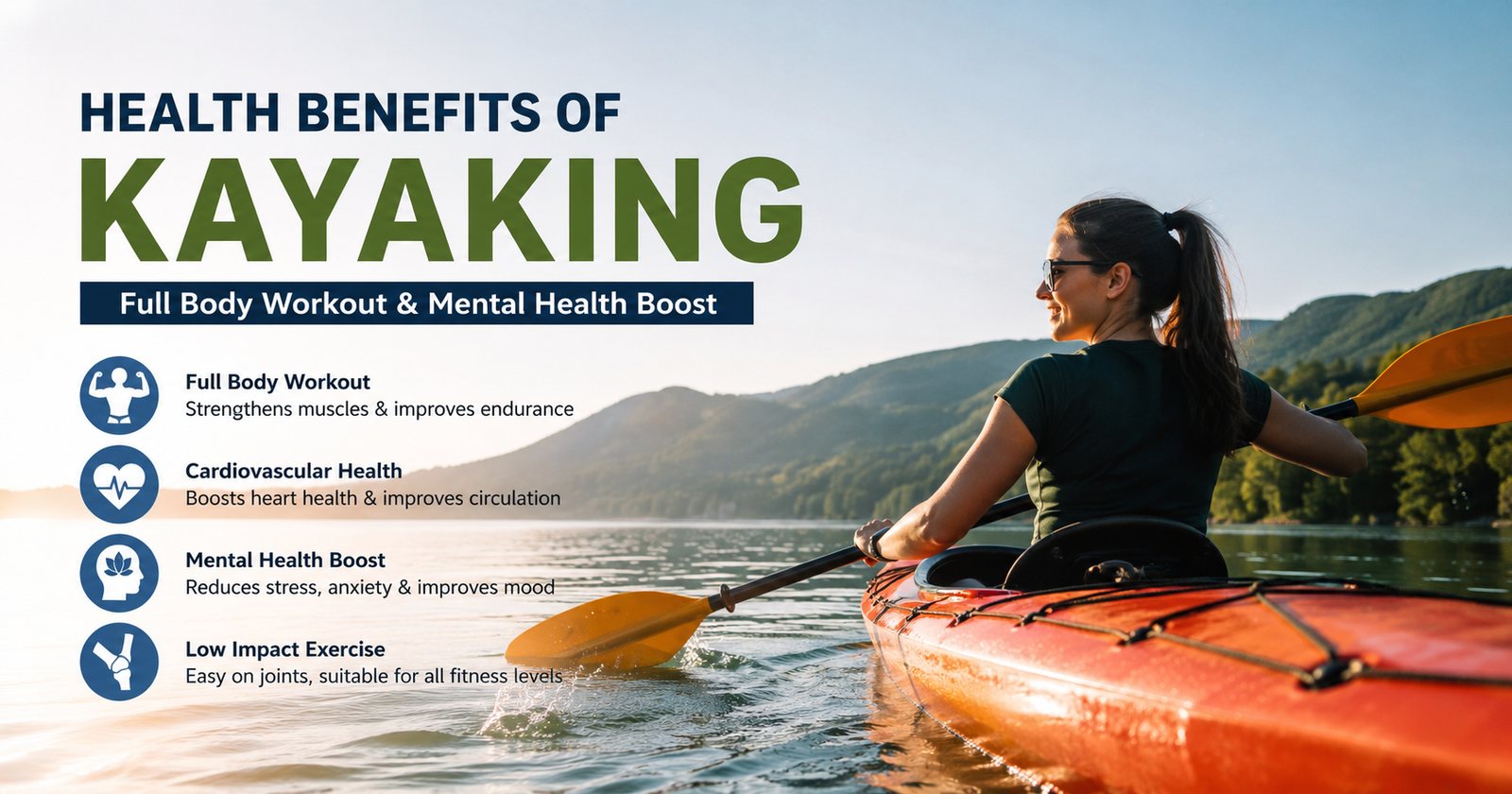
Kayaking is not just a fun thing to do on the water. It’s a very effective workout that incorporates cardiovascular conditioning, strength training, flexibility and mental wellness all into one experience. Paddling on a quiet lake, a twisting river or coastal waters, kayaking is a unique opportunity to improve your physical fitness and commune with nature.
In recent years, kayaking has become a popular activity for people looking for fun alternatives to traditional gym workouts. Kayaking also has its health benefits . Compared to indoor exercises that can be boring , kayaking is a stimulating environment that motivates and keeps participants focused . Kayaking can benefit your body and mind in many ways, from building up large muscles to burning calories and relieving stress.
This article discusses the many health benefits of kayaking, including the muscles used in the act of paddling, the calorie burning potential, the stress relieving benefits and the powerful therapeutic effects of spending time outdoors.
Understanding Kayaking as a Full-Body Workout
Kayaking is often considered an upper body exercise, but it’s so much more than that! Proper kayaking technique will involve several muscles groups throughout your body. Each paddle stroke is a full-body workout that requires coordination between the upper body, core and lower body to build strength, endurance and balance.
Kayaking encourages functional movement patterns, not isolated exercises targeting only one area. They are almost like natural body mechanics and help to improve overall physical performance in everyday life. Therefore, regular kayaking can improve mobility, posture and muscular endurance, and also lower the risk of a sedentary lifestyle.
Paddling is also a great cardio workout. The constant movement gets your heart rate up and the blood pumping. Kayaking on a regular basis over time can help your heart and build stamina.
1. Muscles Used During Kayaking
One of the biggest advantages to kayaking is the number of muscles that are worked during a paddling session. “Your entire body helps you move efficiently but the upper body does most of the visible work,” he says.
The shoulders are a huge part of controlling the paddle and smooth strokes. The deltoid muscles help to stabilise the movements and stabilise the entire exercise. Upper Back Muscles Muscles including the trapezius and rhomboids assist in pulling the paddle through the water while keeping proper posture.
The latissimus dorsi, often called the lats, are some of the main muscles used when kayaking. The big back muscles provide much of the power behind each stroke . So these will become stronger and more developed over time .
The arms (biceps and triceps) help control and move the paddle. Although arm strength is important, experienced kayakers rely more on their core and back muscles than just their arms.
Kayaking works the abdominal muscles and obliques hard the whole time. Each paddle stroke involves rotation of the torso, which engages the core and adds stability. A strong core not only makes paddling more efficient, but it also supports the spine and balance.
The lower body is also much more involved than most people realise. The power is transferred through the body, with the leg muscles stabilising the kayak. The quads, hamstrings, calves and glutes are still active to maintain balance and allow movement. This coordinated effort transforms kayaking into a genuine full-body workout.
2. Cardiovascular Benefits of Kayaking
Kayaking is a great aerobic workout that can do wonders for your heart health. When paddling, the heart has to work harder to send oxygen-rich blood to the working muscles. The increased demand stimulates the heart. It also makes the whole circulation more efficient.
It has been proven that regular cardiovascular activity will lower blood pressure, improve cholesterol levels and decrease the risk of heart disease. Kayaking provides you with all the benefits of traditional cardio such as running or cycling, while offering an enjoyable and scenic alternative.
The sport is easily accessible to novices and experienced athletes alike because it can be adapted to different levels of intensity. Slow easy paddling can be good for consistent cardiovascular fitness and faster-paced kayaking can be a more intense workout to improve endurance and aerobic fitness.
3. Calories Burned While Kayaking
Kayaking is popular with fitness enthusiasts partly because it burns a good number of calories. The precise amount of calories you burn depends on factors like your body weight, how hard you paddle, the conditions of the water and the length of time you spend kayaking.
Kayaking in a relaxed manner can torch about 250 to 350 calories per hour. A moderate amount of paddling can burn about 400 to 500 calories per hour. Kayaking or paddling hard against strong currents can burn 600+ calories/hour.
Kayaking engages multiple muscles at once so the body continues to burn energy efficiently during the activity. Consistent activity can aid in weight management and promote a healthy body composition when paired with a balanced diet.
Some exercise may seem boring or tiring but for a lot of people they don’t even realise that they are exercising when they go kayaking. This fun factor can result in longer workout sessions and more calories burned overall.
4. Kayaking for Weight Management
Burning calories and exercising on a regular basis are important to maintaining a healthy weight. Kayaking is an excellent tool for achieving both goals.
The constant stroke raises your heart rate , and uses more energy . Plus, the resistance of the water creates a natural strength-training aspect that builds lean muscle mass. Increased muscle mass contributes to a higher resting metabolic rate, allowing the body to burn more calories even during periods of rest.
Many people find kayak paddling easier to stick with as an ongoing fitness activity because it feels more like adventure than exercise. And this adherence is way higher, which often results in better outcomes than exercise programmes that get boring over time.
5. Stress Relief Through Kayaking
The pace of modern life is stressful, driven by work demands, family responsibilities and the ever-present lure of digital connection. Kayaking is a wonderful way to escape the stresses of everyday life and focus on the here and now.
The rhythmic paddling is calming and meditative, and inspires relaxation and mental clarity. The combination of repetitive movements and the soothing sounds of water can help to calm the nervous system and reduce feelings of anxiety.
Physical exercise alone causes the release of endorphins, sometimes called “feel-good” hormones. These natural chemicals help to improve mood, reduce levels of stress and create a sense of wellbeing. Being on the water often leaves many kayakers feeling refreshed and mentally recharged.
Navigating waterways also is a mindfulness practice, because you have to pay attention. And instead of being worried or distracted, paddlers become present to their surroundings and the task at hand.
6. Mental Health Benefits of Kayaking
Besides reducing stress, kayaking has a wider range of benefits for mental health that can positively impact quality of life.
Regular exercise has been shown to improve emotional resilience as well as symptoms of anxiety and depression. This wellness activity combines the exercise-related benefits of this activity with the calming influence of natural environments.
Learning new skills, completing longer paddles or exploring new waters can give a sense of achievement and boost self-confidence and self-esteem. These accomplishments lead to a greater sense of personal capability and motivation.
Social kayaking activities can also play a role in improving mental health through relationships with others. Joining a group of paddle enthusiasts, a kayaking club or outdoor adventure group is a great way to meet new people and become part of a community.
7. Outdoor Therapy Benefits of Kayaking
The concept of outdoor therapy, otherwise known as nature therapy or ecotherapy, is receiving increasing attention from health professionals and researchers. Being out in nature can have a significant impact on both physical and mental health.
Kayaking puts people right in these environments. Participants experience closeness to nature that few other activities can provide, as they paddle through forests, lakes, rivers or coastal ecosystems.
Research has shown that exposure to natural settings is associated with lower levels of stress hormones, improved mood, better concentration and reduced mental fatigue. Natural environments may help restore attention and provide a sense of calm that is difficult to find in urban settings.
Also, fresh air and sunshine enhance the healing effects of outdoor kayaking. Sunlight helps the body make vitamin D, which is important for immune function, bone health and mood. The fresh air promotes deeper breathing and can leave participants feeling more energised.
8. Improved Balance and Coordination
Kayaking requires constant adjustments to keep the boat steady on the water. These small movements strengthen the stabilising muscles and increase overall balance.
Timing the paddle strokes with body rotation requires coordination, which develops motor skills and body awareness. With time, these improvements can carry over into everyday activities and other sports.
Good balance and coordination are especially important as people age to help prevent falls and to maintain mobility over time.
9. Joint-Friendly Exercise Option
Many types of exercise are stressful on joints, especially knees and ankles. Kayaking is a low-impact activity that delivers a lot of fitness benefits without putting too much strain on your joints.
For those who are looking for something a little less intense, kayaking is generally a good option, as people remain seated and glide through the water. This activity provides an opportunity to improve cardiovascular fitness and muscle strength with minimal impact-related discomfort.
Depending on your injury and the sensitivity of your joints, kayaking can be an attractive option to keep moving towards your recovery with the right expert supervision.
10. Building Endurance and Stamina
Kayaking in regular sessions will gradually build up muscular endurance and cardiovascular fitness. Longer paddling sessions means the body has to sustain effort over long periods, improving the physical condition.
Improving your endurance can help you with your daily activities and allow you to enjoy many recreational activities. As fitness improves, kayakers often find they can explore longer routes and tackle more ambitious adventures.
Why Outdoor Adventures Are Important for Total Wellness
People have a natural connection to nature, which modern lifestyles often overlook. Outdoor activities such as kayaking help to re-establish this connection and create healthier living habits.
The physical movement, the nature, the fresh air and the mental stimulation all combine to create a holistic wellness experience. Unlike simple fitness routines, kayaking takes care of several aspects of health at once, thus becoming one of the most rewarding recreational activities you can find.
Explore More Health and Lifestyle Tips with Buzzplanets
If you are a health, fitness, outdoor adventures, wellness trends and practical lifestyle tips reader, then you should visit Buzzplanets. The platform offers engaging articles to help readers make informed decisions about their health and everyday lives. If you’re looking for fitness motivation, mental health tips, travel recommendations or the latest lifestyle trends, Buzzplanets has great content to help keep you informed and inspired on your journey to a healthier and more active lifestyle.
Conclusion
Kayaking is so much more than a recreational water sport. This is a full body workout that helps build muscle, improve cardiovascular health, burn calories, increase endurance and promote weight management. It also provides potent mental health benefits through stress reduction, mindfulness and meaningful engagement with nature.
Kayaking’s outdoor therapy benefits make it uniquely effective in promoting overall wellness. Kayaking is a way to combine exercise with outdoor activity in nature, good for physical and mental health. Whether you’re seeking a new fitness routine, a stress-relief activity or just some fun in the great outdoors, the benefits of kayaking go far beyond the water.
FAQs
1. Is kayaking a good workout for the whole body?
Yes, kayaking works on several muscle groups like shoulders, back, arms, core and legs. It offers both strength training and cardio benefits, making it an effective full-body workout.
2. How many calories do you burn in kayaking?
Kayaking can burn between 250 to more than 600 calories per hour, depending on how hard you work and your weight. The more you paddle, the more calories you burn.
3. Is kayaking a good way to relieve stress?
Yes, kayaking encourages relaxation through rhythmic movement, being outdoors and the production of endorphins. A lot of people use kayaking as a form of stress relief and mental clarity.
4. Is kayaking easy for beginners?
Yes, absolutely. Kayaking is a sport that can be modified to meet a variety of fitness and skill levels. For those new to the sport, it’s best to start on calm water and in shorter sessions, working up to longer periods of practice.
5. What are the benefits of kayaking as outdoor therapy?
Some of the benefits of outdoor therapy are: Lower stress levels Better mood Better focus Greater connection with nature Better emotional well-being Exposure to fresh air and sunlight
Summary
Kayaking is a great workout for your whole body, including your shoulders, back, arms, core and legs. It’s also great for your cardiovascular health and stamina. It can burn a few hundred calories an hour, aid in weight management and develop muscle strength. Kayaking is not only an excellent form of exercise but also a way to de-stress, boost mental health and receive the therapeutic effects of being immersed in nature. The combination of physical activity, rest and outdoor adventure makes this one of the most healthful activities for overall health and wellness.