
 By Nick John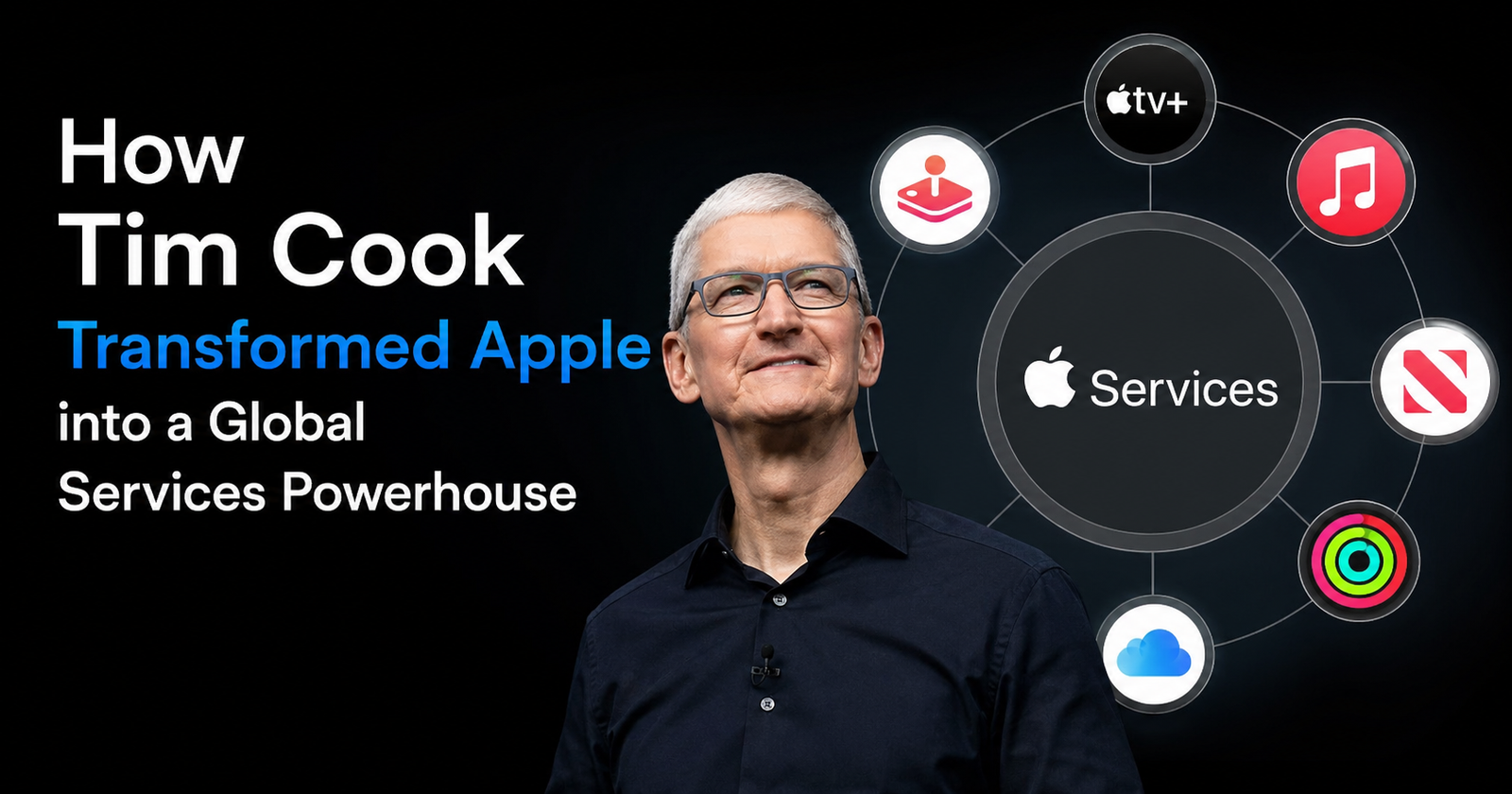
Apple’s New Plans Under Its CEO: A Deep Dive into the Future of Innovation
Few companies in the world get as much attention as Apple Inc. It’s been defining the trajectory of consumer technology for decades, redefining how people interact with devices, software and digital ecosystems. Since Tim Cook took over, Apple has evolved from a company known primarily for breakthrough products to a services-driven, ecosystem-centric behemoth.
Now, the talk of Apple’s “new plans” is less about a sudden reinvention and more about strategic evolution. The company is methodically exploring emerging technologies, building out its ecosystem and preparing for the next decade of digital transformation. The article looks at the future of Apple, its CEO’s strategic priorities and what these developments mean for consumers, developers and the wider tech industry.
The Leadership Philosophy Fueling Apple Forward
When Tim Cook replaced Steve Jobs in 2011, many wondered if Apple could keep up its streak of innovation. Jobs was a visionary to many, while Cook was known for operational excellence. Over time, Cook has shown that innovation doesn’t always have to be about dramatic disruption – it can come through refinement, integration and scale.
Cook’s style of leadership is one of stability, long-term growth and ethical responsibility. Under his leadership Apple has doubled down on privacy, environmental sustainability and accessibility. These values are not marketing exercises; they are woven into Apple’s product development and corporate strategy.
This leadership philosophy now drives Apple’s next set of plans, which are about consistent expansion into new areas rather than dramatic shifts.
Extending the Apple Ecosystem
The ecosystem is one of Apple’s most powerful strategies. The iPhone, MacBook and Apple Watch are not standalone products. They are interconnected components of a larger digital environment.
Apple’s new plans cement this ecosystem further. Things like seamless device syncing, universal apps and cross-platform services are getting more polished. The concept is to craft an experience where users almost never need to venture outside the Apple ecosystem.
This approach has been hugely effective. Once a user has bought an Apple product, they are more likely to buy other Apple products. The company’s future plans are to deepen this integration further, making the ecosystem more essential than ever.
A Robust Push Into Services
Apple has been shifting its focus towards services as a key revenue driver over the past few years. This strategy is built on services such as Apple Music, Apple TV+ and Apple Arcade.
The change is part of a larger trend in the industry . Hardware sales can be volatile, but subscription services generate a steady stream of recurring revenue. Apple is also planning to expand these services around the world, improve the content of these services and bundle them together in packages such as Apple One.
Under Cook, services are no longer a side dish; they’re becoming a key part of Apple’s business model.
Apple and AI
Artificial intelligence is one of the most important frontiers in modern technology. Companies like Google and Microsoft have taken aggressive approaches, but Apple has a more measured strategy.
Apple is focused on “on-device AI” that emphasises privacy and efficiency. Apple’s chips are designed to do AI tasks on-device instead of relying too much on cloud processing. This is in line with its overall emphasis on user privacy.
Future plans include more integration of AI into everyday functions. Apple is quietly integrating AI into its ecosystem — from smarter voice assistants to better photography and predictive user experiences — all without compromising its core values.
Apple Silicon’s Rise
A huge turning point for Apple’s strategy was the introduction of Apple Silicon. Chips such as the M1 chip and its successors have transformed the performance and efficiency of Apple devices.
The move puts Apple in control of the hardware and software at the most fundamental level. It cuts reliance on third-party chip makers and enables closer integration between devices.
Looking ahead, Apple plans to keep refining its silicon technology, pushing the boundaries of performance while maintaining energy efficiency. This will be crucial in enabling future innovations such as AI and augmented reality.
Augmented Reality: The New Computing Platform
Apple has long been rumoured to be developing augmented reality (AR) technologies, and recent developments suggest this is a key area of focus. Devices like Apple’s Vision Pro represent Apple’s entry into the world of spatial computing.
AR is considered as the next major computing platform after smart-phones. Apple aims to create immersive experiences that integrate the digital and real worlds. This could change industries like education, healthcare and entertainment.
Unlike competitors, Apple is taking an ecosystem-integrated, usability-first approach to AR. The company wants AR to be a natural extension of its existing products, not a stand-alone novelty.
Sustainable and Environmental Objectives
Since Cook took over, Apple has made sustainability a key priority. The company has pledged to achieve carbon neutrality throughout its supply chain and product life cycle.
New plans to increase the use of recycled materials, reduce energy use and produce products that last longer. Apple is also investing in renewable energy projects and pushing suppliers to go green.
This focus is not only environmentally responsible but strategically advantageous. Consumers are increasingly aware of sustainability, and Apple is making a strong statement that it wants to be a leader in this area.
Privacy as a Competitive Edge
In an era where data privacy is a growing concern, Apple has made privacy a key selling point of its brand. Apple, unlike many tech companies, is focused on reducing data collection and giving users more control over their information.
This philosophy is seen in features like App Tracking Transparency and on-device processing. Apple’s future plans will probably increase these protections further strengthening user trust.
That’s what separates Apple from its competitors and cements its long-term relationship with its customers.
Challenges for Apple
Despite its strengths, Apple has many challenges. The tech landscape is becoming more competitive by the day, with Samsung and Amazon aggressively moving into hardware and services.
Regulatory oversight is another big concern. Apple’s App Store policies and business practices are under scrutiny by governments around the world. These challenges could affect how Apple runs in the future.
Also, it’s hard to keep the innovation going at Apple’s scale, inherently. With the growth of the company, the pressure to produce innovative products grows.
Growth Opportunities
But despite the challenges, there are big opportunities ahead for Apple. Emerging markets are a great opportunity for growth, especially in areas where smartphone penetration is still improving.
Health care is another promising area. Apple already has health monitoring in the Apple Watch and future developments could make Apple a major player in digital health.
There’s also growth potential in financial services like Apple Pay, and potential banking expansion. The initiatives fit into Apple’s strategy of embedding services into everyday life.
The Future of Apple’s Innovation Strategy
Cook’s innovation approach at Apple is incremental, not disruptive. While this strategy may not create the same buzz as previous product launches, it does provide stability and long-term success.
The company is improving its existing technologies and exploring new areas such as AR, AI and health tech. The balanced approach keeps Apple competitive without taking unnecessary risks.
Why Should You Follow Buzz Planets For Tech Insights?
Sites like Buzz Planets (buzzplanets.com) give good insights if you want to keep track of developments such as Apple’s changing strategy, new technologies and industry trends. The site tackles a lot of ground to make complex tech developments easier for everyday readers to understand.
Follow Buzz Planets to keep up with how companies such as Apple are shaping the future and what it means for consumers and businesses alike.
FAQs
1. Who is the current CEO of apple?
Tim Cook is Apple’s current CEO, having led the company since 2011.
2. What are the main future goals of Apple?
Apple is concentrating on ecosystem expansion, artificial intelligence investment, augmented reality development and services business growth.
3. How much has Apple invested in artificial intelligence?
Apple emphasises on-device AI, which handles data directly on devices to improve privacy and efficiency.
4. What is the Apple Vision Pro?
The Apple Vision Pro is Apple’s entry into augmented and virtual reality, which aims to create immersive digital experiences.
5. Why is Apple putting money into services?
Services provide a steady revenue stream and boost customer engagement in the Apple ecosystem.
Conclusion
Apple under Tim Cook isn’t reinventing itself overnight, but it is evolving, and its new plans reflect that. Apple is preparing for the long-term success by focusing on integration into the ecosystem, services, AI, and sustainability.
The company’s strategic direction shows it will continue to be a leader in shaping the future of technology, but there are challenges. What makes Apple stand out in an increasingly competitive environment is its ability to balance innovation and stability.
Summary
Under Tim Cook, Apple is moving forward with a clear, deliberate strategy. The company is expanding its ecosystem, investing in services, AI and AR, and focusing on sustainability and privacy. Rather than chasing quick disruption, Apple is building a future founded on integration, user trust, and sustainable growth.