
 By Nick John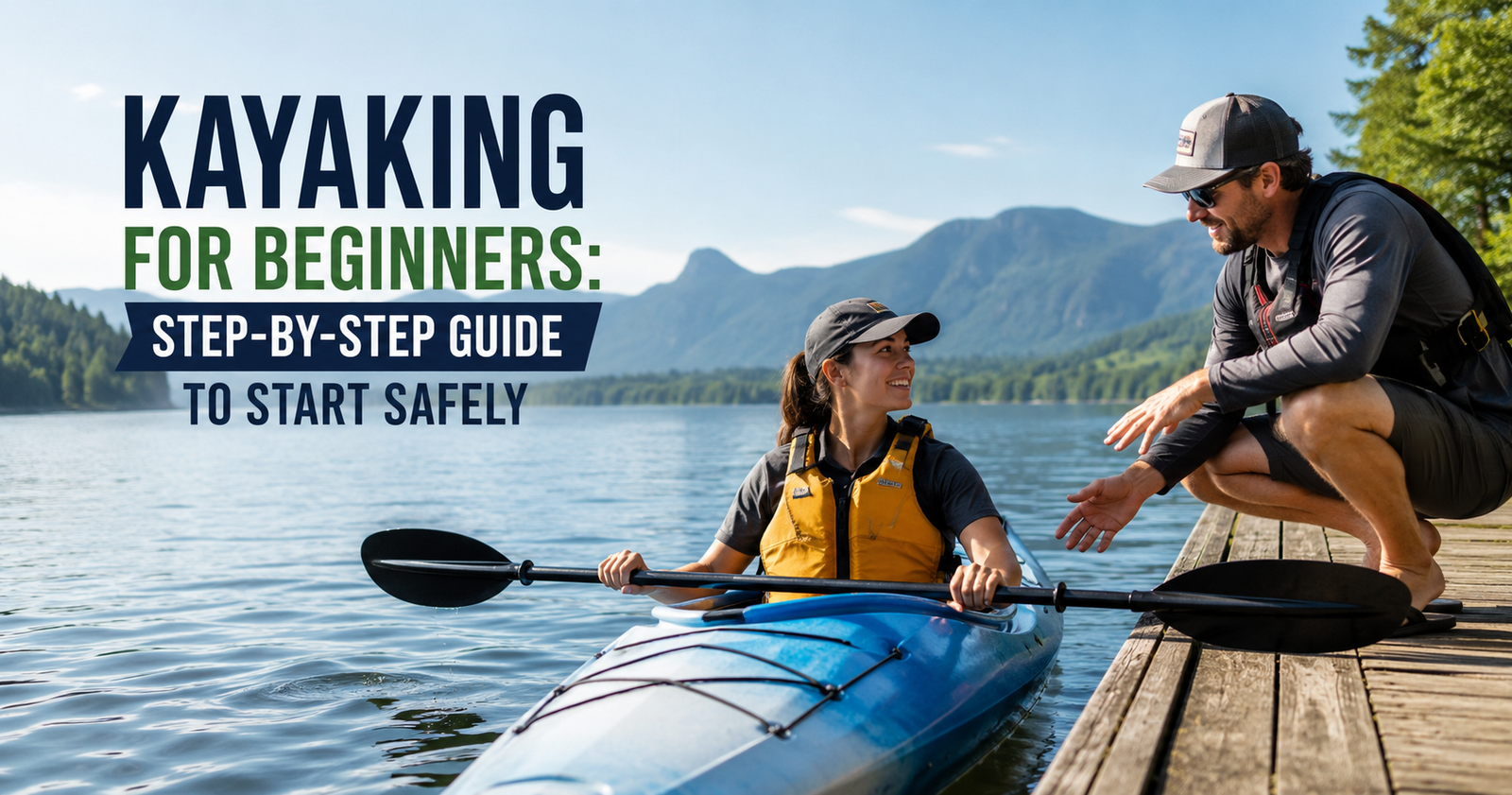
People who love water, adventure and fitness can find few outdoor activities as rewarding as kayaking. Whether you want to glide across tranquil lakes, paddle the rivers or take in the coastal scenery, kayaking offers a unique combination of relaxation and adventure. But for beginners, it can appear intimidating to begin. A lot of people are held back by questions about equipment, paddling technique and water safety.
The good news is that kayaking is a beginner-friendly activity, if you do it right. All it takes is the right kayak, some safety gear and a handful of skills to make sure everyone has a safe and memorable time on the water.
In this ultimate guide, you’ll discover how to start kayaking, some useful first-time kayaking tips, how to choose a beginner kayak, and the essential paddling techniques that every new kayaker should know.
Why Kayaking Is Great for Beginners
Kayaking is a great activity for all ages and abilities. Many extreme water sports can be more adventurous, but kayaking can be as calm as you want. Beginners usually begin on still water such as lakes or slow rivers before progressing to more demanding situations.
It strengthens your upper body and core, while increasing balance and coordination. It also reduces stress, promotes mental health and provides a unique way to connect with nature. Another great advantage is flexibility. Some people enjoy paddling solo and in peace, while others like to go kayaking with groups and friends.
Kayaking is fairly easy to learn if you have patience, practice and, above all, proper instruction.
How to Start Kayaking
Kayaking doesn’t require expensive equipment or years of training to begin. Easy to follow and well-organized, this approach will help beginners get comfortable fast.
1. Learn the Basics First
Before you hit the water, it’s important to know the basics of kayaking. Find out about the kayak, paddle, cockpit, footrests and the personal flotation device. Learning the basic terminology will help you to understand instructions and to improve your skills.
Equally important is to know how the kayak moves in water. Balance is something beginners need to understand, and how movement of the body affects balance.
2. Choose Calm Water for Practice
Beginners should always practice on calm, controlled water. Lakes, ponds and slow-moving rivers are the perfect learning environment as they allow new paddlers to concentrate on technique without the concern of strong currents or waves.
The flat water builds confidence and removes the fear of capsizing. If you’re new to kayaking, don’t go out on windy days or in busy waterways for your first few outings.
3. Take a Beginner Lesson
Many people learn to kayak on their own but beginner lessons can make a huge difference. An experienced instructor teaches correct posture, effective paddling techniques, and important safety procedures.
Also, professional guidance helps beginners to avoid bad habits that may be difficult to correct later on. Even a short introductory session can greatly increase confidence and control.
4. Practice Entering and Exiting the Kayak
The biggest problem for many beginners is getting in and out of the kayak. This skill, worked close to shore, is good for balance and stability.
Position the kayak parallel to the shore and brace both sides of the cockpit. Slowly lower yourself down keeping your body centered. Carefully bring your legs in , no sudden movements .
Getting out of the kayak takes just as much control. Take your time and stay balanced all the time.
Choosing the Right Beginner Kayak
The right kayak is a major factor in comfort, safety and how quickly you learn. If you’re new to this, focus on stability and ease of use, not speed or advanced features.
Types of Kayaks for Beginners
1. Recreational Kayaks
Recreational kayaks are the most popular for beginners. These kayaks are meant for tranquil waters and easy handling. They are super stable and their wider shape makes them perfect for first time paddlers.
Most recreational kayaks are nine to twelve feet long and are comfortable, easy to turn and stable for casual paddling.
2. Sit-On-Top Kayaks
Another great beginner option is a sit-on-top kayak, especially in warmer weather. They have an open design that makes it easy to get on and off. Normally, if the kayak tips, it is significantly easier to get back in than traditional closed-cockpit kayaks.
These kayaks are stable and easy to use and are popular for recreational kayaking and fishing.
3. Inflatable Kayaks
Inflatable kayaks have become popular in modern times as they are portable and inexpensive. They are easy to move and store, so are a good choice if you don’t have much space.
Inflatable kayaks are stable and good for calm conditions but might not do as well in high wind or rough water.
What to Look for in a Beginner Kayak
1. Stability
Stability should be the first priority for beginners. The wider the kayak, the more stable it is and the less likely it is to tip.
2. Comfort
Comfort is important for longer paddling sessions. Good seat – For beginners, a good kayak should have an adjustable seat, good back support and enough legroom for comfortable movement.
3. Weight Capacity
Each kayak has a weight limit. Beginners should pay careful attention to the total capacity to ensure it will safely hold the paddler and gear.
4. Portability
Transport and storage are important things to consider. Lightweight kayaks are easier to transport and load onto vehicles, particularly for solo kayakers.
Essential Kayaking Safety Gear
Kayaking should always be a safe activity and safety should always be the number one priority. Good gear protects beginners and makes for a safer learning experience.
1. Personal Flotation Device (PFD)
The most important piece of safety gear for kayaking is a life jacket. All kayakers should always wear a properly fitted personal flotation device when on the water.
2. Paddle
Using the correct paddle makes it more efficient and comfortable. For beginners, select a lightweight paddle appropriate for your height and the width of your kayak.
3. Helmet
Helmets are a must for river kayaking or places with rocks and fast moving water. For calm-water paddlers, helmets aren’t required, but are recommended for added protection.
4. Dry Bag
Dry bags protect valuables such as phones, wallets, keys and clothing from water. Waterproof storage is especially important for longer trips.
5. Appropriate Clothing
Always dress for the water temperature, not the air temperature. Quick-drying, moisture-wicking clothes keep you comfortable and secure.
First-Time Kayaking Tips
The first time you go kayaking should be about building confidence, not about going far or going fast.
1. Start with Short Trips
Short paddling sessions are perfect for the beginner. A single hour on calm water lets beginner kayakers practice their skills without getting too tired.
2. Check the Weather
Weather on the water can change quickly. If you’re a beginner, don’t go out in storms, heavy rain, fog or strong winds.
3. Paddle with a Partner
First time kayakers should not kayak alone. Having a partner nearby adds safety and can assist in case of need.
4. Stay Close to Shore
Beginners should stay close to the shore until they are comfortable with steering, turning and balancing.
5. Keep Your Movements Relaxed
Sudden movements make things less stable and more likely to tip over. Relaxed body movement helps to keep balance and control.
Basic Kayaking Techniques Every Beginner Should Learn
Learning the correct way to paddle will make you more efficient, less tired and more able to enjoy the kayaking experience.
1. Correct Sitting Posture
The importance of good posture in kayaking . Sit up straight with your back erect, and rest your feet comfortably on the footrests. Relax your shoulders and bend your knees slightly.
Good posture will assist you in maintaining your balance, and at the same time, reduce the stress on your back and arms.
2. Forward Stroke
The forward stroke is the main movement used to push the kayak through the water.
To do this stroke put one paddle blade in the water near your feet and pull it back toward your hip turning your torso. Remove the blade from the water and repeat the same motion on the other side.
Beginners should focus on using torso rotation instead of just arm strength. This method increases power and decreases fatigue.
3. Reverse Stroke
You use the reverse stroke to slow down or go backwards in your kayak.
Keep the paddle near your hip, and drive the blade ahead through the water toward your feet. Repeat on the other side if necessary.
This stroke is useful for slowing down and increasing maneuverability in tight spaces.
4. Sweep Strokes
The sweep stroke is used to turn your kayak smoothly.
To turn left make a wide sweeping motion on the right side of the kayak. To turn to the right, repeat the movement on the left side.
Wide strokes allow for smoother and more controlled turns.
5. Draw Stroke
The draw stroke is for moving the kayak sideways. This technique is especially useful when approaching docks, beaches, or other kayakers.
The paddler can change position without turning the whole kayak, with a watchful eye on either side of the kayak on the water.
How to Maintain Balance in a Kayak
One of the main worries for beginners is balance, but with practice and relaxation your stability will improve.
Keep your head centered over the kayak to maintain your balance. You’ll be more stable if you stay relaxed and don’t stiffen up. Beginners should avoid leaning too far in any direction, especially when turning or reaching for objects.
It also helps to look ahead, rather than straight down at the water, to maintain your natural balance.
Common Mistakes Beginners Should Avoid
Many beginners make simple mistakes which influence comfort and safety. A very common mistake is to grip the paddle too tightly, which causes arm fatigue and less flexibility.
A common mistake is to use only arm strength for your strokes and not engage your torso. Good body rotation allows for efficiency and control.
Not paying attention to the weather can also lead to dangerous situations. Always check the forecast before getting in the water if you are a beginner.
Too many new paddlers try to take on difficult water conditions too early. Go slow. Build experience step by step, the safest way.
Building Confidence as a New Kayaker
Confidence is gained through practice over time. If you are a beginner, learn the basics before you try to do longer or more advanced trips.
Practice turns, stopping techniques and balance drills in calm water to build a good foundation. You can also learn faster and be safer if you join a local kayaking group or paddle with experienced friends.
The more time beginners spend on the water, the more natural the kayak seems.
Explore Outdoor Adventures with Buzzplanets
Buzzplanets is a great place to find out if you like the outdoors, travel adventures and activity guides for beginners. The blog offers information on adventure travel, outdoor activities, lifestyle topics, and helpful guides to help readers explore new experiences with confidence.
Planning your first kayak trip or looking for ideas for your next outdoor adventure? Buzzplanets has useful tips and engaging content for adventure seekers.
FAQs
1. Is kayaking hard for beginners?
Kayaking is generally easy for beginners as long as it is on calm water, using the right equipment and proper guidance. It takes most people just a few hours to learn the basics.
2. Which type of kayak is best for beginners?
For beginners, sit-on-top kayaks and recreational kayaks are generally the best options because they are more stable and easier to handle.
3. Do beginners need to take kayaking lessons?
Lessons are not mandatory, but are highly recommended. Professional training improves safety, technique and self confidence.
4. What to wear when kayaking?
Wear quick-drying clothes appropriate to the water conditions. Avoid heavy cotton fabrics as they will remain wet and uncomfortable.
5. Is Kayaking Good Exercise?
Yes, kayaking is a great way to build upper body strength, core stability, cardiovascular endurance and coordination and it promotes mental wellness too.
Summary
Kayaking is an exciting outdoor activity for beginners that mixes adventure, fitness and relaxation. Beginners can build confidence quickly by beginning on calm waters, selecting the right beginner kayak, learning paddling techniques, and adhering to essential safety practices. If you practice regularly, and have the right mindset, kayaking can be a rewarding skill that opens the door to endless outdoor exploration.